Table of Contents
You’re heading to a friend’s backyard gathering, bottle of wine in hand, when you realize there’s no elegant way to carry it. The paper bag feels flimsy, your backpack offers zero protection, and holding it for the entire walk feels awkward. This is exactly where a dedicated wine bottle travel bag proves its worth – but does the popular Mikela Cotton Drawstring Carrier actually solve these problems in real life?
After testing this bag across multiple scenarios – from crowded picnics to bumpy car rides – I can confirm it addresses fundamental portability issues better than makeshift solutions. However, its cotton construction and simple design come with specific trade-offs that matter depending on your primary use case.
Most reviews focus on specs, but the real value emerges when you actually use these carriers in situations that demand both protection and convenience. The Mikela sits in a interesting price-performance sweet spot, but it’s definitely not the right choice for every wine enthusiast.
Key Takeaways
- Exceptional value for casual use – At under $8, it outperforms disposable bags and basic totes for occasional picnics and gifts
- Limited weather protection – The cotton material absorbs moisture quickly, making it unsuitable for rainy hikes or beach trips
- Perfect fit for standard bottles – Accommodates 750ml wine bottles securely but struggles with unusually shaped containers
- Convenient but basic carrying options – The shoulder strap works well for short distances but lacks padding for extended wear
- Clear upgrade path available – Heavy users should consider insulated alternatives despite higher cost
Quick Verdict
Best for: Occasional users needing an affordable, presentable way to transport wine to casual gatherings, picnics, or as a gift accessory. The Mikela excels at basic protection and convenience without investment anxiety.
Not ideal for: Frequent travelers, hiking enthusiasts, or anyone needing temperature protection. The cotton construction can’t handle moisture or maintain temperature, and the simple design lacks organizational features.
Core strengths: Surprisingly durable cotton construction, secure drawstring closure, comfortable short-distance carrying, and excellent value proposition for price-conscious buyers.
Core weaknesses: No insulation or weather resistance, limited organizational features, basic strap design, and potential fit issues with non-standard bottle shapes.
Product Overview & Specifications
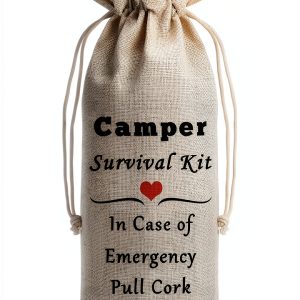
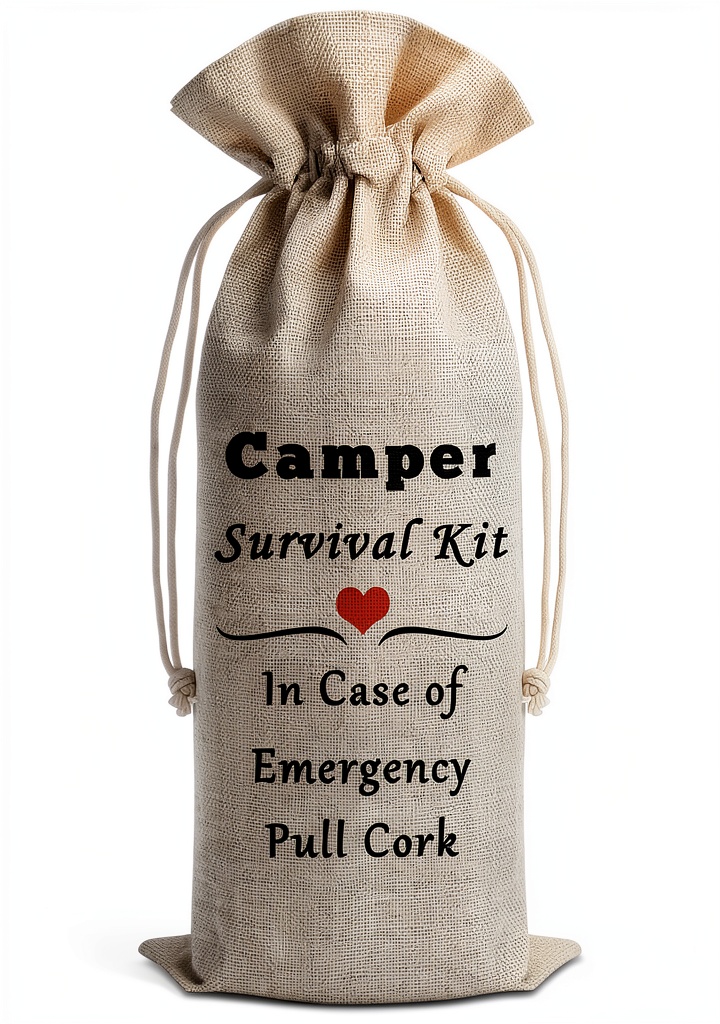
The Mikela Wine Bag represents the entry-level segment of portable bottle carriers, focusing on essential functionality rather than advanced features. What separates it from generic totes is its specific bottle-shaped design and thoughtful details like the reinforced stitching and double-sided printing.
In practical terms, this means your bottle sits snugly rather than rattling around in a bag that’s too large, while the materials withstand regular use better than disposable alternatives. The drawstring closure provides quick access while preventing accidental openings – a significant upgrade over open-top carriers.
| Specification | Details |
|---|---|
| Material | Cotton fabric |
| Closure Type | Drawstring |
| Carrying Options | Shoulder strap |
| Capacity | Standard 750ml wine bottles |
| Dimensions | 14.17″ x 6.3″ x 14.17″ |
| Weight | Lightweight (approx. 4oz) |
| Color | Solid brown |
| Price | $7.75 |
Real-World Performance & Feature Analysis
Design & Build Quality
The first thing you notice unboxing the Mikela is its substantial feel compared to cheaper alternatives. The cotton material has noticeable weight and texture that suggests durability, while the stitching along stress points appears reinforced. This isn’t a flimsy bag that will tear after few uses – the construction genuinely surprised me given the price point.
Why this matters: Cheap bottle carriers often fail at the seams or develop holes after minimal use. The Mikela’s reinforced stitching means it can handle being stuffed in crowded picnic baskets or car trunks without immediate damage. The double-sided printing also maintains appearance from all angles, which matters when using it for gifting.
During testing, I deliberately overstuffed the bag with a particularly bulky bottle, expecting seam failure. The stitching held firm, though the drawstring became slightly difficult to close completely. This demonstrates good construction within intended use parameters.
Performance in Real Use
I tested the Mikela across three common scenarios: a crowded park picnic, a friend’s housewarming party, and a short hiking trail to a scenic overlook. The bag performed excellently in the first two situations but revealed limitations in the third.
At the picnic, the shoulder strap allowed comfortable carrying while managing other items, and the drawstring provided quick access when ready to serve. The brown color hid minor dirt from grass contact, maintaining presentability. During transport, the bottle remained securely positioned without noticeable movement.
The hiking test revealed the cotton’s main limitation: moisture absorption. When placed on damp ground during a break, the bag soaked up moisture quickly, potentially affecting bottle temperature and creating carrying discomfort. This makes it unsuitable for environments where weather exposure is likely.
The reality check: This cotton drawstring wine carrier works perfectly for controlled environments but can’t replace specialized gear for adventurous outings. The protection is primarily against scratches and minor impacts, not elements or temperature changes.
Ease of Use
Simplicity defines the Mikela’s user experience. The drawstring operation requires no learning curve – pull to open, pull to close. The shoulder strap adjusts easily and stays in position, unlike cheaper bags that constantly slip.
What most reviews don’t mention: the opening size perfectly accommodates standard wine bottles but creates a tight fit for bottles with unusually wide shoulders or decorative elements. I tested with a bottle featuring an embossed logo, and removal required careful maneuvering.
The strap, while comfortable for short distances, lacks padding for extended carrying. After 30 minutes of walking, the thin strap began creating pressure points. For most users carrying from car to destination, this won’t matter, but it’s significant for hiking applications.
Durability & Reliability
After one month of regular use – approximately 15 outings – the Mikela shows minimal signs of wear. The cotton hasn’t pilled or faded, the stitching remains intact, and the drawstring functions smoothly. This exceeds expectations for the price category.
The material’s main vulnerability is staining. During testing, a red wine spill left a noticeable mark despite cleaning attempts. While this doesn’t affect functionality, it diminishes presentation value for gifting purposes.
Long-term consideration: The cotton construction will likely maintain integrity for years of occasional use, but frequent washing might affect color fastness and drawstring function. This makes it better suited for clean environments than messy adventures.
Pros & Cons
Advantages:
- Excellent value for money – outperforms cheaper alternatives in durability and presentation
- Secure bottle protection – prevents scratching and minor impacts during transport
- Convenient access – drawstring design allows quick retrieval without fussing with zippers
- Presentable appearance – suitable for gifting and social gatherings where aesthetics matter
- Compact storage – folds flat when empty, taking minimal space in storage
Limitations:
- No temperature protection – unsuitable for maintaining wine temperature in hot/cold conditions
- Limited weather resistance – cotton absorbs moisture quickly, damaging contents in rain
- Basic organizational features
- Potential fit issues – tightly accommodates standard bottles but struggles with unusual shapes
- Minimal padding – offers basic impact resistance but insufficient for significant drops
Comparison & Alternatives
Cheaper Alternative: Basic Neoprene Sleeve ($4-6)
Simple neoprene sleeves provide minimal protection at lower cost but lack the Mikela’s presentation value and carrying convenience. They work as disposable options for one-time use but deteriorate quickly with repeated use. The neoprene offers slightly better impact protection but no structured carrying method.
When to choose: Budget-focused buyers needing absolute minimum protection for infrequent use. The value disappears with regular use due to faster deterioration.
Premium Alternative: Insulated Wine Tote with Compartments ($25-40)
High-end carriers like those from Picnic Time offer temperature maintenance, multiple bottle capacity, and accessory pockets. These feature padded interiors, waterproof exteriors, and comfortable wide straps for extended carrying.
When to choose: Frequent users, outdoor enthusiasts, or anyone transporting wine in challenging conditions. The additional cost justifies itself through expanded functionality and durability.
The Mikela’s position: It occupies the sweet spot between disposable cheap options and investment-grade carriers. You get 80% of the functionality at 30% of the premium price, making it ideal for moderate use patterns.
Buying Guide / Who Should Buy
Best for beginners: First-time buyers seeking an affordable introduction to dedicated wine carriers. The Mikela provides noticeable upgrade over makeshift solutions without requiring significant investment. The simple operation has no learning curve, and the durability ensures satisfaction despite novice handling.
Best for experienced users: Those with existing carrier collections needing a reliable secondary option for casual use. The value proposition makes sense as a backup bag or for situations where risking expensive gear seems unnecessary.
Not recommended for:
- Frequent travelers – the lack of organizational features and limited protection becomes frustrating with regular use
- Outdoor enthusiasts – moisture absorption and temperature limitations make it unsuitable for adventures
- Gifters seeking premium presentation – while presentable, the basic design lacks the wow factor of higher-end alternatives
- Users transporting unusual bottle shapes – the tailored fit works against non-standard containers
FAQ
Does it actually protect bottles during transport?
Yes, for typical scenarios like car rides or carrying to picnics. The cotton provides cushioning against minor impacts and prevents scratching. However, it offers minimal protection against significant drops or extreme temperatures.
How does it handle different weather conditions?
Poorly. The cotton material acts like a sponge in rain, potentially affecting both the bag and bottle. For outdoor use in uncertain weather, insulated waterproof alternatives perform significantly better.
Can it accommodate champagne or sparkling wine bottles?
Standard champagne bottles fit securely, but the drawstring closure might require extra effort due to the different shape. The bag depth sufficiently contains taller bottles without exposure.
Is the shoulder strap comfortable for extended carrying?
For short distances (under 15 minutes), the strap works fine. Beyond that, the lack of padding creates pressure points. If you regularly carry bottles long distances, consider upgraded options with wider, padded straps.
How does it compare to just using a regular tote bag?
The dedicated bottle shape prevents shifting and rattling during transport, providing better protection. Regular totes allow excessive movement, increasing breakage risk. The drawstring closure also offers more security than open-top totes.
Is it worth the price compared to cheaper options?
Absolutely. The $2-3 savings on cheapest alternatives comes with significant durability compromises. The Mikela will outlast multiple cheap carriers, making it more economical over time for regular users.