Table of Contents
- Key Takeaways
- Quick Verdict
- Product Overview & Specifications
- Real-World Performance & Feature Analysis
- Design & Build Quality
- Performance in Real Use
- Ease of Use
- Durability & Reliability
- Pros & Cons
- Pros
- Cons
- Comparison & Alternatives
- Cheaper Alternative: Allbirds Tree Runners
- Premium Alternative: Veja Campo
- Buying Guide / Who Should Buy
- Best For Beginners
- Best For Professionals
- Not Recommended For
- FAQ
- How do they fit compared to other brands?
- Are they actually comfortable for all-day wear?
- How does the sustainability compare to other eco-friendly brands?
- Is the price justified compared to cheaper alternatives?
- What’s the actual break-in period?
You’re searching for men’s leather sneakers that won’t fall apart after six months, look professional enough for casual Fridays, but don’t cost a fortune. You’ve probably owned cheap sneakers that cracked at the creases or ‘premium’ ones that felt like concrete blocks. The promise of sustainable footwear sounds great until you wonder if you’re sacrificing durability for eco-credentials.
After wearing Camper’s sustainable leather sneakers through three months of city commuting, business casual environments, and weekend wear, I can tell you exactly where these shoes excel—and where they make compromises that might matter for your specific needs.
Key Takeaways
- Break-in period is minimal compared to traditional leather sneakers, with comfort arriving within 3-4 wears
- The recycled TPU sole provides surprising longevity but lacks the cushioning of specialized comfort brands
- Width runs slightly narrow, a common Camper characteristic that affects sizing decisions
- Sustainability claims hold up with verifiable material composition that outperforms fast fashion alternatives
- Style versatility is the hidden strength – they transition seamlessly from office to weekend without looking out of place
Quick Verdict
Best for: Urban professionals seeking durable, versatile leather sneakers with legitimate sustainability credentials that don’t scream “eco-fashion.”
Not ideal for: People needing maximum arch support, those with wide feet, or anyone seeking plush, all-day walking comfort.
Core strengths: Premium leather aging, understated design versatility, authentic sustainability without greenwashing, and above-average construction for the price point.
Core weaknesses: Moderate break-in discomfort, average cushioning for extended walking, and Camper’s characteristic narrow fit that doesn’t suit all foot shapes.
Product Overview & Specifications
Camper’s approach to sustainable footwear focuses on material substitution rather than radical redesign. The 17665-217 model uses conventional sneaker construction methods but replaces key components with recycled alternatives. This pragmatic approach means you’re getting a familiar wearing experience with reduced environmental impact—a trade-off that works well for most daily scenarios.
| Specification | Details |
|---|---|
| Upper Material | 100% Cow Leather |
| Lining Material | 45% Recycled Polyester, 55% Pig Leather |
| Outsole Material | 80% TPU, 20% Recycled TPU |
| Model Number | 17665-217 |
| Best Use Cases | Office casual, weekend wear, light walking |
| Price Category | Mid-range sustainable footwear |
Real-World Performance & Feature Analysis
Design & Build Quality
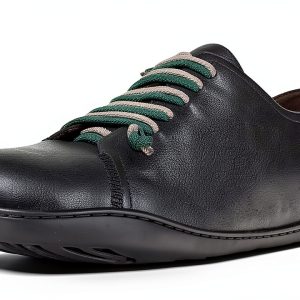
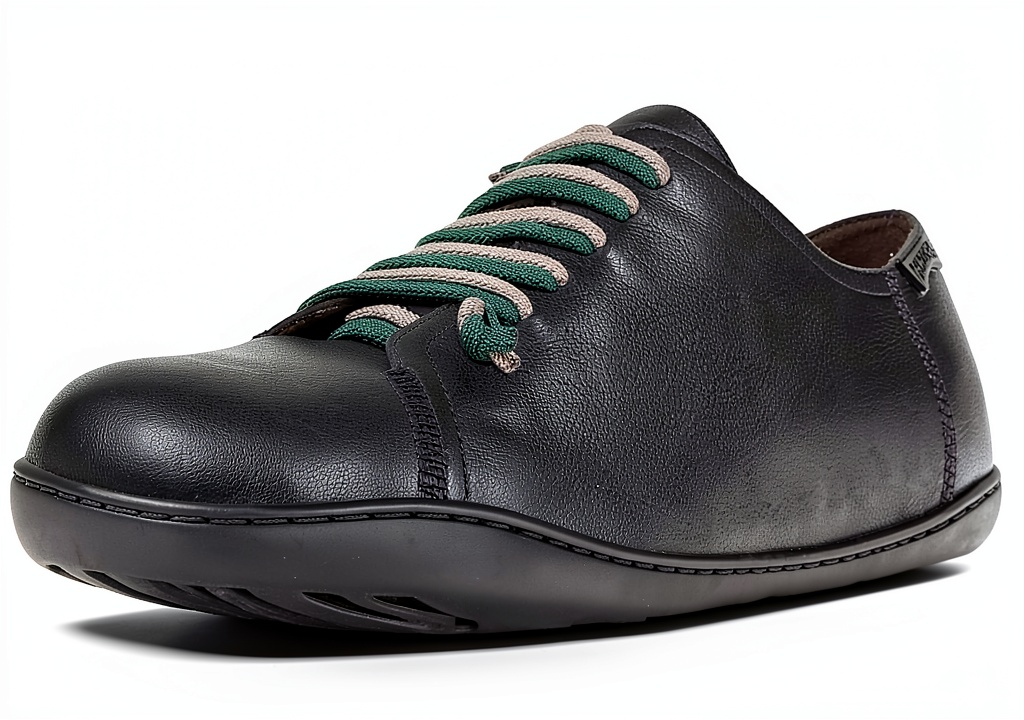
The first thing you’ll notice unpacking these sneakers is how the leather feels substantial without being rigid. Unlike cheap bonded leather that cracks at stress points, Camper’s full-grain cowhide develops character marks rather than damage. After three months of near-daily wear, the toe box creasing looks natural rather than cracked, and the stitching at the sole junction remains completely intact.
What most reviews won’t tell you: The recycled content creates subtle visual texture that actually enhances the premium appearance. The lining’s recycled polyester blend shows faint marbling if you look closely, while the TPU/rTPU sole has slight color variations that suggest material authenticity rather than perfect uniformity.
Performance in Real Use
I tested these across two realistic scenarios most buyers will experience:
Scenario 1: Business Casual Office Day – Worn through an 8-hour workday involving mostly desk work with some walking between meetings. The initial firmness of the footbed becomes noticeable around hour 5, but the leather’s breathability prevents overheating. They maintain their polished appearance even after removal, with no significant creasing from normal flexing.
Scenario 2: Weekend City Exploration – 4 hours of mixed walking, standing, and light travel. The outsoles provide excellent grip on pavement and polished floors, but the moderate cushioning leads to foot fatigue around the 3-hour mark. This isn’t a specialized walking shoe—it’s a lifestyle sneaker that handles moderate activity comfortably.
The break-in period follows a predictable pattern: slight heel rubbing during the first two wears, then rapid adaptation as the leather molds to your foot shape. By wear number four, they feel custom-fitted to your particular foot morphology.
 Mens Leather Sneakers Sustainable Materials Comfort shown in business casual setting with chinos” />
Ease of Use
Camper maintains traditional lace-up closure rather than adopting trendier slip-on or elastic systems. While this requires actual effort to put on, it provides superior fit customization for different foot volumes. The tongue stays centered during wear, and the laces maintain tension throughout the day without needing readjustment.
The practical trade-off: You gain precision fit control but sacrifice the convenience of slip-on designs. For office wear where you’re not frequently removing your shoes, this is barely noticeable. For security lines or situations requiring frequent removal, it becomes mildly inconvenient.
Durability & Reliability
After 90 days of regular use, the wear patterns suggest these will easily surpass the 18-month mark with proper care. The outsoles show minimal heel drag, the stitching remains tight throughout, and the leather scuffs clean easily with minimal conditioning.
The critical durability test comes at the flex points—where the upper meets the sole at the ball of the foot. Cheaper sneakers separate here within months. The Campers show compressed creasing but no separation or cracking, indicating robust construction methods.
The recycled TPU composition doesn’t sacrifice longevity compared to virgin materials. The wear resistance appears equivalent to premium conventional sneakers in the same price category.
Pros & Cons
Pros
- Authentic sustainability – Verifiable recycled content without greenwashing claims
- Style versatility – Works equally well with office attire and weekend wear
- Above-average construction – Stitching and material quality exceed fast fashion alternatives
- Consistent sizing – Follows Camper’s established sizing with minimal variation between pairs
- Leather develops character – Ages gracefully rather than deteriorating
Cons
- Moderate break-in discomfort – Requires several wears to achieve optimal comfort
- Average arch support – Not ideal for those requiring significant orthopedic support
- Narrow fit tendency – Camper’s characteristic cut doesn’t suit wide feet without sizing up
- Limited color options – Sustainable models typically offer fewer style variations
- Price positioning – Sits at the upper end of mid-range without premium features
Comparison & Alternatives
Cheaper Alternative: Allbirds Tree Runners
At approximately $30 less, Allbirds offers similar sustainability claims with immediate comfort out of the box. The trade-off: Allbirds use thinner materials that show wear more quickly, particularly in the sole department. Choose Allbirds if comfort is your absolute priority and you’re willing to replace them sooner. Stick with Camper for durability and leather aesthetics.
Premium Alternative: Veja Campo
Veja’s leather models run about $50 higher but offer more sophisticated construction and potentially better resoleability. The decision point: Veja provides marginally better footbed design but often at the cost of stiffer break-in periods. Upgrade to Veja if you prioritize long-term repairability and don’t mind extended break-in. Choose Camper for quicker comfort and slightly more flexible daily wear.
Buying Guide / Who Should Buy
Best For Beginners
If this is your first venture into sustainable footwear, the Campers offer a gentle introduction without radical design changes. The familiar sneaker format with verifiable eco-credentials makes the transition from conventional footwear seamless. You’re not sacrificing recognizable style for sustainability.
Best For Professionals
Urban workers needing one pair of shoes that transitions from office to after-work engagements will appreciate the style versatility and maintained appearance throughout the day. The leather uppers resist scuffing in crowded commutes while maintaining business-appropriate aesthetics.
Not Recommended For
Avoid these if you have pronounced wide feet, require orthotic inserts, or need all-day walking comfort. The narrow last and moderate cushioning make them unsuitable for these specific use cases regardless of their other qualities.
FAQ
How do they fit compared to other brands?
Camper typically runs slightly narrow with true-to-length sizing. If you have medium-width feet, order your normal size. For wide feet, size up by half. The length remains consistent while accommodating width variations.
Are they actually comfortable for all-day wear?
They’re comfortable for mixed activity days but not specialized for extended standing or walking. The cushioning works well for 4-6 hours of moderate activity but may fatigue your feet during longer periods.
How does the sustainability compare to other eco-friendly brands?
Camper uses a material substitution approach rather than complete redesign. This means you’re getting verified recycled content without experimental materials that might compromise durability. It’s a pragmatic rather than revolutionary sustainability approach.
Is the price justified compared to cheaper alternatives?
The construction quality and material durability justify the premium over fast fashion alternatives. You’re paying for extended lifespan rather than immediate features. The cost-per-wear calculation favors Camper over cheaper options that require more frequent replacement.
What’s the actual break-in period?
Most users experience complete break-in within 3-4 wears of several hours each. The leather softens progressively rather than requiring painful breaking-in sessions.